How to Choose the Right Desert ATV Ride in Dubai
Start with the kind of riding you want
Before looking at quad bikes, decide what kind of day you want in the desert. A short ride on gentle trails feels very different from a longer route with dunes, stops and open stretches. The desert can be forgiving in some places and demanding in others, so the right choice depends on your comfort with uneven ground, heat and sustained attention.
Think in terms of pace and purpose. If the aim is a relaxed outing with photos and a taste of the dunes, look for an option that keeps speeds moderate and has clear pauses between sections. If you already ride off road and want more technical terrain, look for a route where the riding is the main event, not a small part of a wider package. Avoid choosing only by the size of the quad bike. A larger machine is not automatically better, and a powerful one can be tiring if you are new to desert riding.
The phrase atv dubai desert is often used for desert quad biking experiences around Dubai, so compare the actual riding details rather than assuming all options feel the same. The terrain, pace, group size and level of guidance matter far more than the name on a listing.
Check who the ride suits
Once you know the style of ride, match it to the people taking part. Age, height, riding experience and confidence all affect the right choice. Many activities set requirements for drivers, and those rules exist for a reason. A rider who cannot reach the controls comfortably or read the terrain ahead is more likely to struggle when the ground changes.
Be honest about experience. If you have only ridden on paved roads, treat desert terrain as a new skill. Sand shifts under the tyres, crests hide what lies beyond them, and ruts can appear suddenly. A calm introduction with clear instructions is more useful than a route that pushes everyone to keep up.
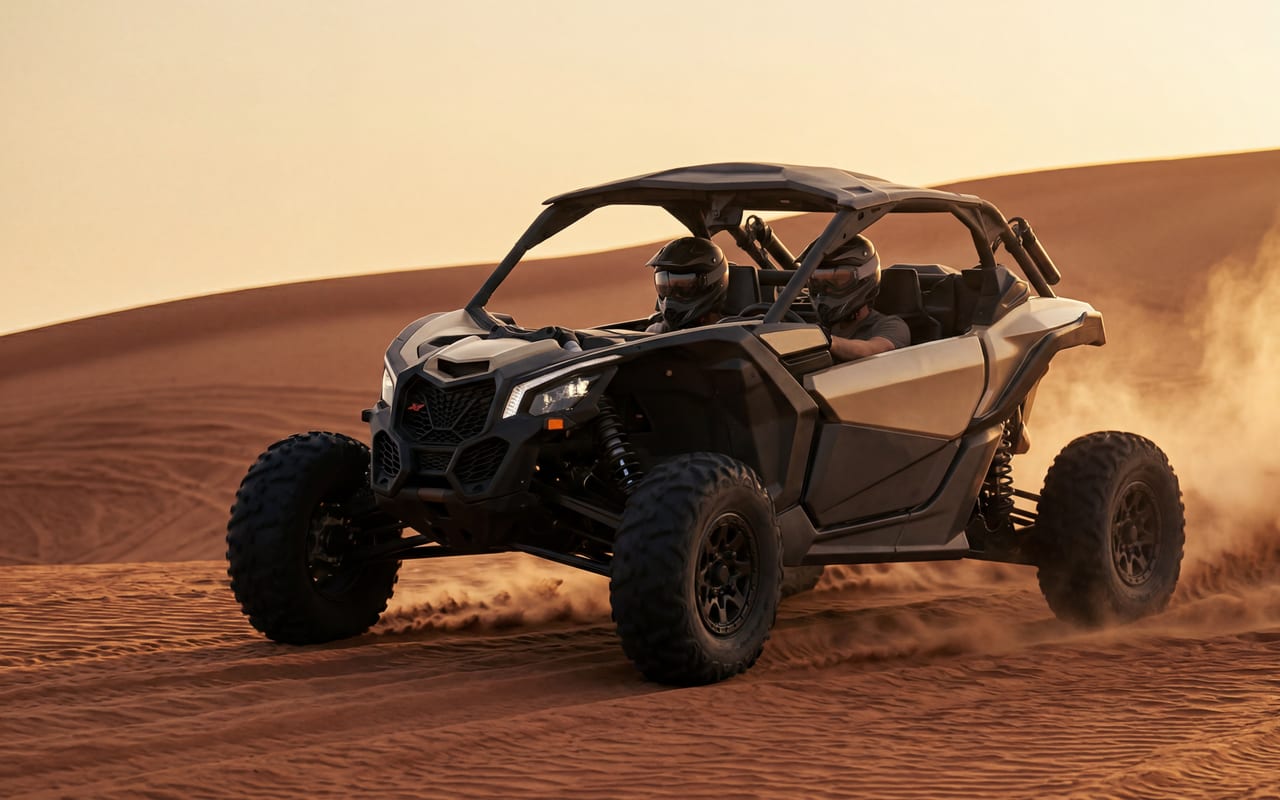
For children or less confident riders, pay close attention to whether there is a suitable quad bike size, a passenger arrangement, or a separate area. A passenger seat is not the same as independent riding, and it may not be available on every machine. If anyone in the group has limited mobility, back problems or a medical condition that could be affected by vibration and heat, ask practical questions before committing. Do not rely on a vague assurance that the ride is suitable for everyone.
Compare the route, not just the headline
A good desert ride has a route that makes sense from start to finish. Ask where the riding takes place, how long the quad bike section lasts, and what kind of terrain is included. Soft sand, firm tracks, rocky patches and dunes each demand a different approach. A route with a few wide turns and open stretches will feel easier than tight tracks between high dunes.
Watch for vague wording. Terms like scenic adventure or desert experience can cover anything from a short loop to a demanding route. Useful details include the approximate riding time, whether there are stops, and how much of the day is spent riding compared with travel or other activities. If the listing gives a total duration, separate the time in the saddle from transfers, briefing and breaks.
Also consider the time of day. Midday heat can make even a moderate ride uncomfortable, while late afternoon light changes visibility on dunes. Cooler hours may be more pleasant, but they can also be busier. A route that looks short on paper can feel long in hot conditions, especially if there is little shade during stops.
Look closely at safety basics
Safety is not a box to tick at the start. It shapes the whole choice. A responsible setup will give a clear briefing, explain hand signals or route commands, and make expectations plain before riders set off. The briefing should cover how to slow down, how to handle slopes, what to do if the group spreads out, and when to stop.
Protective gear is another practical marker. A helmet that fits properly matters, and eye protection helps with dust and sand. Closed shoes are sensible because feet need protection around footrests and rough ground. Loose scarves, dangling straps and anything that can catch on controls should be avoided. Riders should also know how to mount and dismount without twisting awkwardly or stepping into the path of another quad bike.
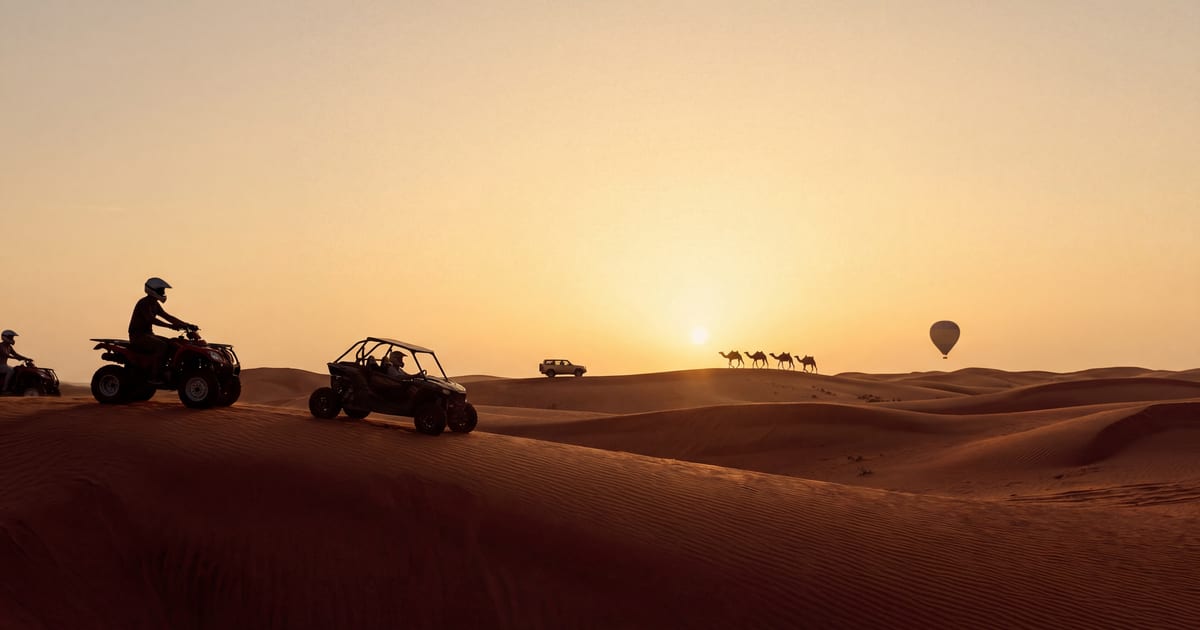
Ask how the group is managed. A ride is safer when riders are grouped by ability and the pace is set for the least experienced person, not the fastest. Clear lead and rear positions help prevent someone from being left at a difficult point. If a route includes dunes, the guide should explain how to approach crests and why rushing them is risky. Any sign of pressure to ride faster than feels comfortable is a reason to pause and reconsider.
Mechanical care matters too, but it should be described in plain terms. Tyres, brakes, lights where relevant, and controls should be checked before use. Riders are not expected to repair machines in the desert, and technical faults should be left to qualified professionals. What a rider can do is notice obvious problems before setting off, such as a lever that feels loose, a tyre that looks badly deflated, or a quad bike that does not respond normally during a slow test in a safe area. Report anything unusual rather than trying to fix it.
Read the terms before choosing
The details in the terms often reveal how well a ride is organised. Look for what happens if weather disrupts the activity, what the rules are for late arrival, and whether there are clear requirements for drivers. A clear policy is easier to understand than a long list of exceptions hidden in small print. If something is unclear, ask for a direct answer before paying.
Coverage is worth checking carefully, without assuming that every label means the same thing. Ask what is covered, what is not, and what the rider is responsible for. Take note of any damage rules for the quad bike and whether they are explained in writing. This is not about expecting problems. It is about knowing where you stand before riding in a changing environment.
Payment terms also deserve a quick look. Keep records of what was agreed, including the ride type, duration, date and any included items. If a listing mentions ATV Dubai Desert, treat that as a starting point for checking the ride details, not a substitute for them. A name alone does not tell you whether a route is gentle, technical, short or long.
When comparing options, the ATV Dubai Desert official site may help clarify which ride details are presented as standard and which need confirmation. Use that information alongside the practical points above: rider fit, terrain, guidance, safety equipment and terms. A choice is usually sound when those pieces line up, rather than when one attractive detail stands out.
Make the final choice with clear questions
By this stage, the decision should come down to a few direct answers. Can every rider meet the requirements? Is the route matched to the group's experience? Is the riding time clear? Are safety briefings and suitable equipment part of the activity? Are the terms understandable? If any answer is uncertain, ask again before booking. A clear answer now is far better than a surprise at the start point.
It also helps to compare two realistic options rather than chasing the most dramatic description. One ride may offer a longer route but less flexibility, while another may be shorter and better suited to beginners. The better choice is the one that leaves riders feeling in control, with enough challenge to enjoy the desert without feeling pushed beyond their limits.
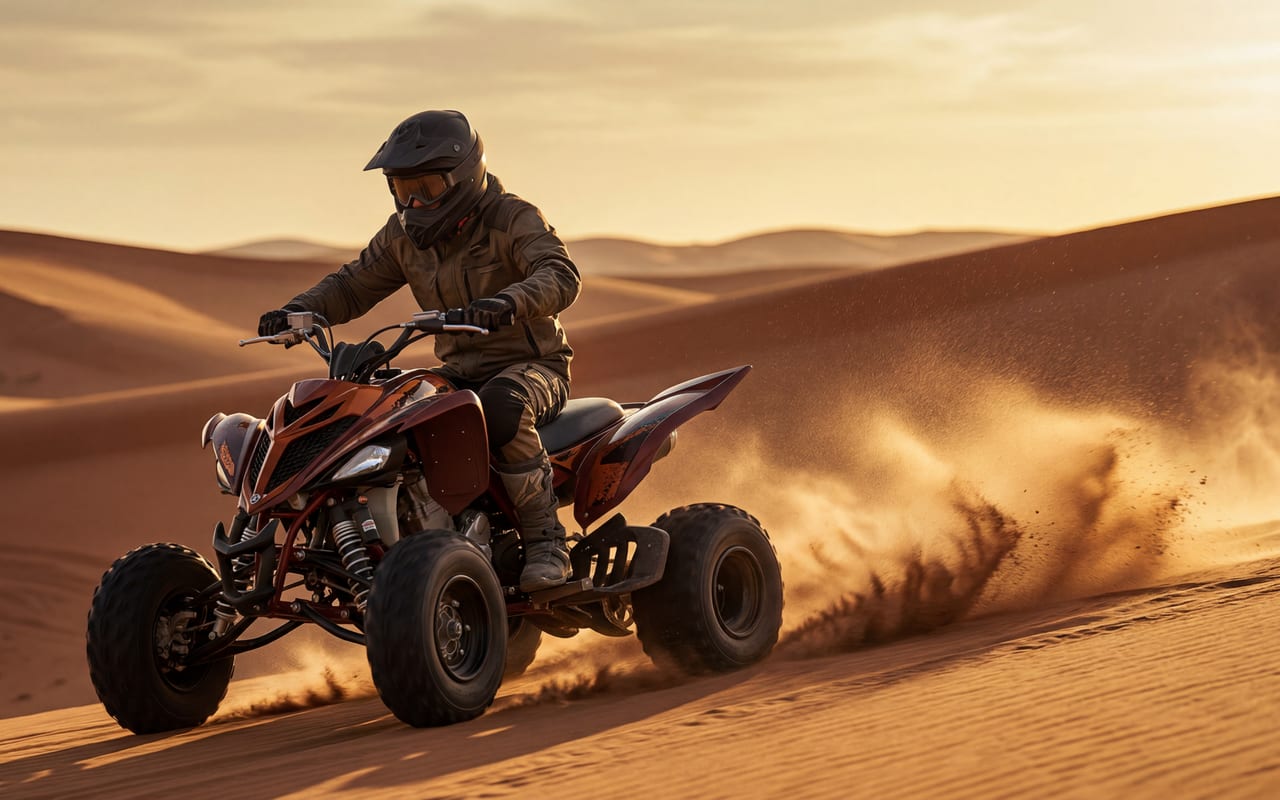
Weather, group dynamics and personal comfort can change the experience on the day, so build in a little flexibility. Wear suitable clothing, arrive with time to listen to the briefing, and be willing to stop if conditions or confidence change. Choosing the right atv dubai desert experience is less about finding the boldest wording and more about matching the ride to the rider. When the basics are clear, the desert becomes something to enjoy with attention and respect, not something to conquer.